


 Experiences
Spain contains a diverse mix of regional cultures that goes far beyond the typical beach resort vacation. True discovery of this Iberian gem requires travelers to engage directly with local customs, culinary rituals, and historical legacy.
First-time travelers often struggle to distinguish tourist traps from genuine cultural encounters. If you are planning a trip, finding the best authentic Spanish experiences for first-time visitors requires looking beyond the standard resort packages. This guide provides a clear roadmap to experiencing Spain like a local.
Designing an Itinerary Around the Best Authentic Spanish Experiences for First-Time Visitors
Planning an itinerary requires balancing famous landmarks with regional traditions. Spain consists of seventeen autonomous communities, many possessing their own regional languages, and all having distinct cuisines and customs. Focusing on interactive activities rather than just sightseeing ensures a deeper connection to the country.
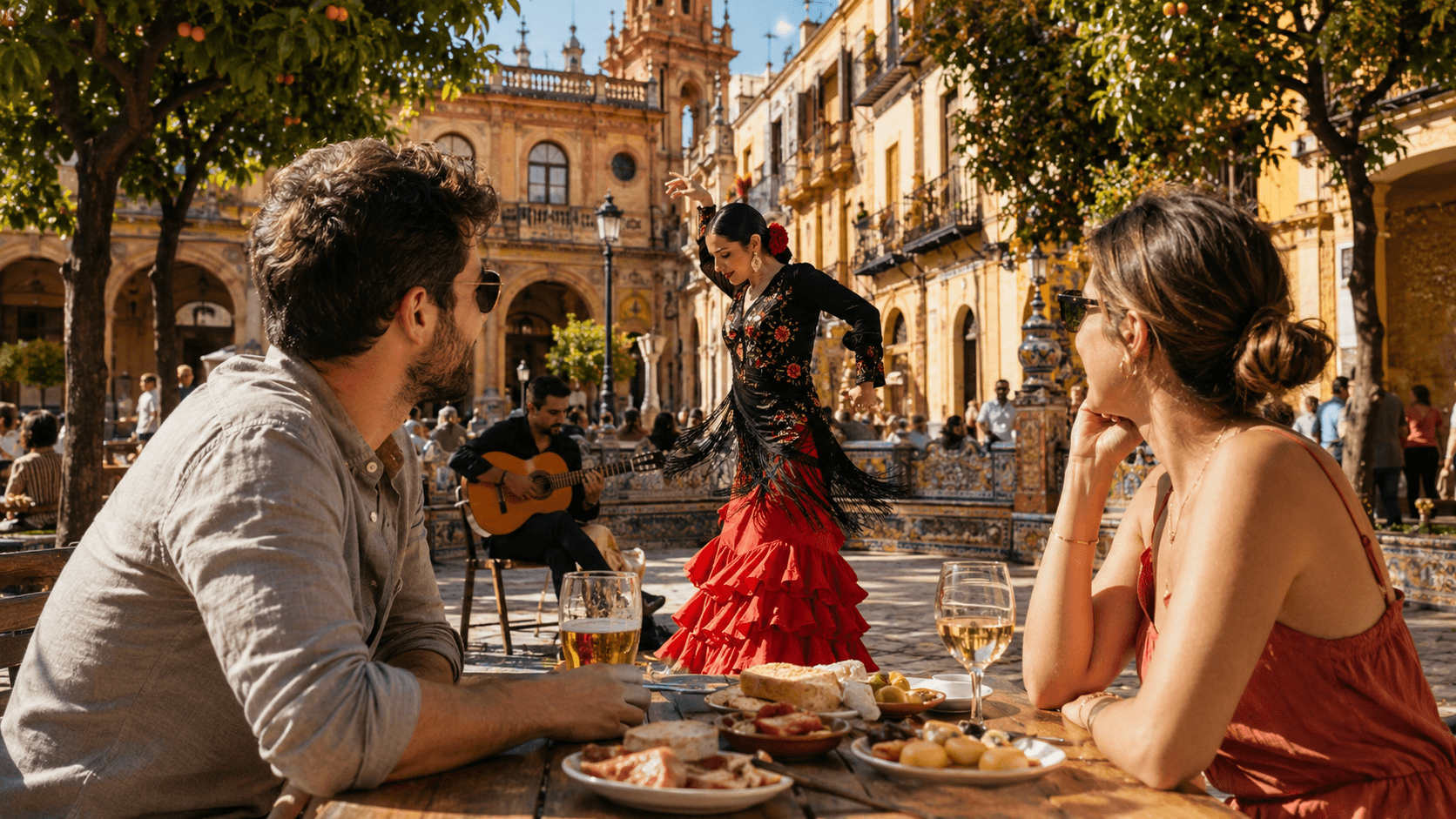
Culinary exploration represents one of the most rewarding local pursuits. Sampling local dishes forms the backbone of the best authentic Spanish experiences for first-time visitors. Instead of sitting down for a single large dinner, visitors should participate in the traditional Basque pintxo crawl or Andalusian tapas walk.
This practice involves moving from bar to bar, sampling one specialty dish at each stop. To execute a proper tapas crawl, travelers must follow specific local etiquette. Most traditional bars do not require table reservations and favor standing at the counter.
Payment is typically settled at the very end of the visit rather than after each drink.
Mastering the Art of the Tapas Crawl
Tapas culture varies significantly between the northern and southern provinces of Spain. In Granada and Jaen, bartenders serve a free plate of food with every single beverage ordered. In San Sebastian, pintxos are displayed on the bar top, and guests typically order directly from the bartender, who keeps track of the bill.
Navigating this culinary landscape is easier when travelers focus on established regional specialties. The following list highlights essential dishes to order during a traditional evening crawl:
- Jamón Ibérico de Bellota: Acorn-fed cured ham aged for thirty-six to forty-eight months.
- Patatas Bravas: Crispy fried potato cubes served with a spicy tomato sauce and garlic aioli.
- Pulpo a la Gallega: Tender boiled octopus seasoned with coarse salt, olive oil, and sweet paprika.
- Tortilla de Patatas: A classic Spanish omelet made with eggs, potatoes, and sometimes onions.
For many, witnessing a genuine flamenco performance in Andalusia stands as one of the best authentic Spanish experiences for first-time visitors. This art form combines singing, guitar playing, dance, and rhythmic handclapping. Genuine flamenco is deeply emotional and relies heavily on improvisation between the artists.
Witnessing Authentic Flamenco in Andalusia
Avoid large commercial dinner shows that cater exclusively to international tourists. Instead, seek out a local peña flamenca, which is a private cultural club open to the public. These venues offer intimate performances where the raw emotion of the art form remains intact.
The historic neighborhood of Sacromonte in Granada provides an exceptional setting for this experience. Performers gather inside traditional whitewashed cave dwellings to showcase their skills. The close proximity of the audience creates an intense and unforgettable atmosphere.
When booking a flamenco experience, certain criteria indicate a high-quality, culturally respectful performance:
- Minimal amplification: Authentic performances rely on natural acoustics rather than loud microphones.
- Small artist ensembles: A group consisting of one singer, one guitarist, and one or two dancers is ideal.
- Focus on song: Traditional flamenco places the singer, known as the cantaor, at the center of the performance.
Exploring the Architecture of Al-Andalus
Exploring historical monuments built during the Moorish golden age ranks high on the list of must-see attractions for travelers to Spain. Visiting medieval palaces reveals another layer of the best authentic Spanish experiences for first-time visitors. The legacy of Al-Andalus remains visible in southern Spain through breathtaking architecture.
The Alhambra in Granada stands as the crown jewel of this historical era. Visitors must book entry tickets to the Alhambra months in advance due to strict daily capacity limits. You can secure your entry through the official Alhambra ticket portal.
Walking through the Nasrid Palaces reveals intricate plasterwork, geometric tile designs, and tranquil courtyards. Seville features the Real Alcázar, which represents another stunning example of Mudéjar architecture. This palace is still used by the Spanish royal family today during their visits to the region.
Walking through the manicured gardens offers a peaceful retreat from the bustling city streets. Cordoba completes the golden triangle of Andalusian history with its magnificent Mosque-Cathedral. The building contains over eight hundred red-and-white striped arches that stretch across a vast prayer hall.
A Christian cathedral was constructed directly in the center of the mosque during the sixteenth century.
Navigating Spain’s Historic Food Markets
Exploring traditional neighborhood food markets is another highlight on any list of the best authentic Spanish experiences for first-time visitors. These markets serve as the social and culinary heart of Spanish communities. Locals gather daily to purchase fresh ingredients and socialize with neighborhood vendors.
La Boqueria in Barcelona and Mercado de San Miguel in Madrid are highly popular tourist destinations. But visiting lesser-known neighborhood markets offers a much more genuine glimpse into daily Spanish life. The Mercado de Abastos in Santiago de Compostela is an excellent alternative that showcases Galician seafood heritage.
Visiting markets during the early morning hours provides the most genuine atmosphere. This is when local chefs select their daily ingredients and the stalls are fully stocked. Avoid taking photographs of vendors without purchasing a small item first to show respect.
Market halls often feature small, high-quality bars serving dishes made directly from the surrounding stalls. The following tips help travelers make the most of their market dining experience:
- Look for daily specials: Select dishes based on what is fresh and in season at the market that day.
- Arrive early: Food stalls often close by mid-afternoon as the market day ends.
- Observe local queues: Stand in line where locals are waiting to ensure the highest quality food.
Participating in Seasonal Regional Festivals
Attending these celebrations offers one of the best authentic Spanish experiences for first-time visitors. Spain hosts hundreds of unique regional celebrations throughout the year. These events are deeply rooted in religious traditions, agricultural cycles, or historical reenactments.
Semana Santa, or Holy Week, features solemn processions with elaborate floats carrying religious statues. This event is celebrated with immense passion in Seville and Malaga during the spring. The atmosphere is filled with the scent of incense and the sound of brass bands.
The Fallas festival in Valencia turns the city into a giant open-art gallery every March. Neighborhood associations spend months constructing massive wooden and papier-mâché sculptures. These colorful monuments are ultimately burned to the ground on the final night of celebration.
Planning a trip around these festivals in 2026 or beyond requires securing accommodation and transport up to a year in advance. Train tickets on the national rail network, Renfe, sell out quickly during major holiday periods. Researching local schedules on the official Spain tourism portal ensures you do not miss the main events.
Summary of Key Regional Experiences
To help you plan your journey, here is a breakdown of signature cultural encounters across different Spanish regions:
| Region | Signature Experience | Key Highlight |
|---|---|---|
| Andalusia | Authentic Flamenco | Private peñas flamencas in Seville and Granada |
| Basque Country | Pintxo Crawling | Standing-room bars in San Sebastian’s Old Town |
| Catalonia | Historic Food Markets | Fresh seafood and local tapas at La Boqueria |
| Valencia | Seasonal Festivals | The burning of massive monuments during Las Fallas |
Embracing the Spanish Pace of Life
Embracing these regional traditions guarantees that you will enjoy the best authentic Spanish experiences for first-time visitors. Adapting to the local daily schedule is vital for a successful trip. Most shops close for a mid-day break between two and five in the afternoon.
Dinner rarely begins before nine or ten in the evening across the country. Slow down and enjoy long conversations, known as sobremesa, at the end of every meal. This relaxed approach to daily life is the ultimate key to understanding Spanish culture.


Comments are closed