


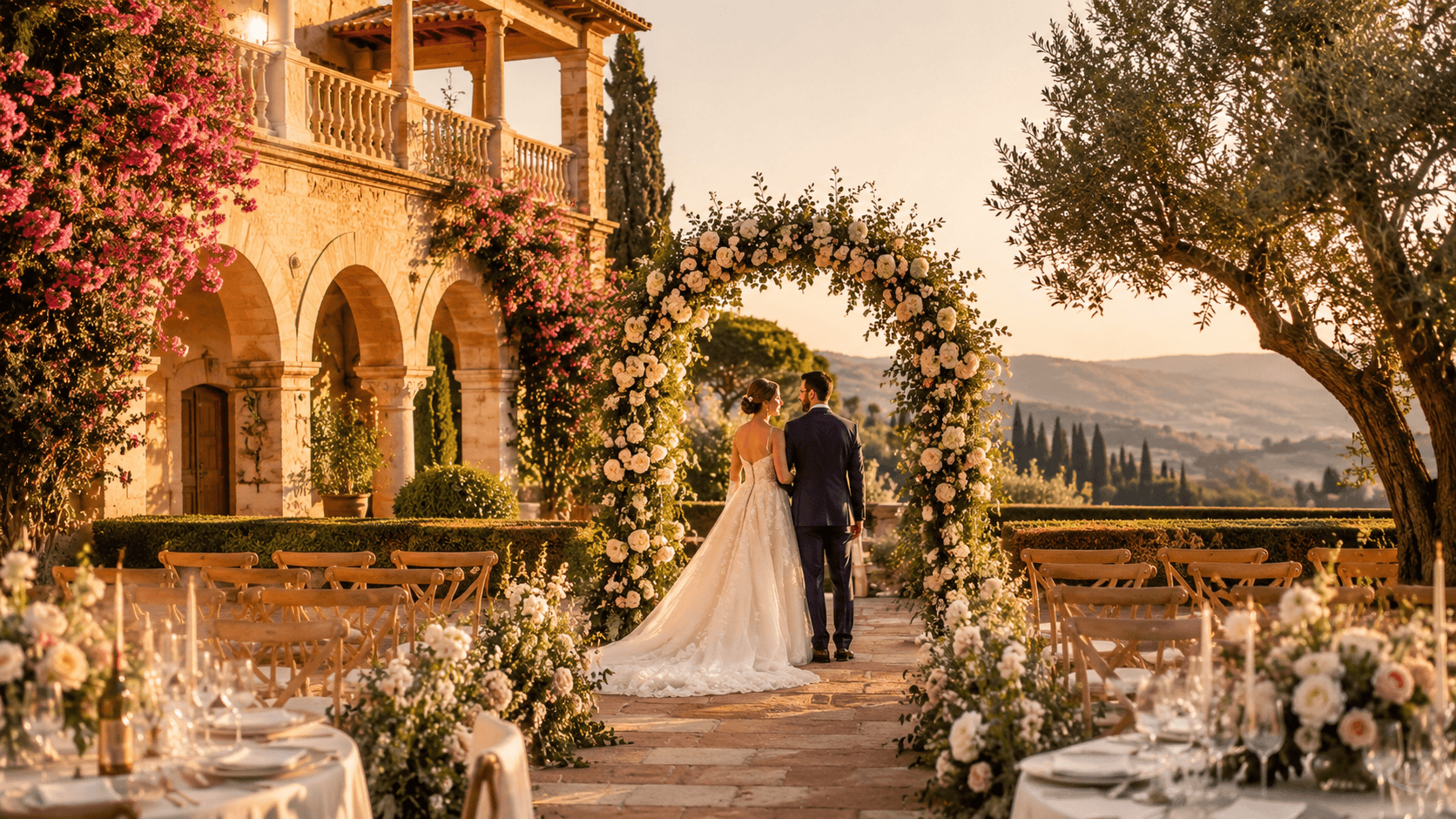
 Weddings and celebrations
Navigating Your Spanish Dream Celebration
Spain sits comfortably among Europe’s top three wedding getaways, drawing couples with its sun-drenched landscapes and deep cultural roots. To pull off a seamless celebration on the Iberian peninsula, you need a clear handle on logistics. This is where Planning a Destination Wedding in Spain: Complete Guide serves as your blueprint for navigating legalities and finances.
Organizing a celebration across borders means juggling travel schedules, guest lodging, and official paperwork. Starting early keeps stress levels low. Knowing the regional differences beforehand ensures your plans stay on track from day one.
Legal Requirements for a Spanish Wedding
To marry legally in a civil ceremony in Spain, at least one partner must reside there for two consecutive years. Most non-resident couples choose to handle the legal paperwork at home first. They then host a beautiful, symbolic ceremony under the Spanish sun.
For those determined to have a legally binding ceremony abroad, Catholic weddings are an option for foreigners. This path involves significant paperwork from your home parish. When you are Planning a Destination Wedding in Spain: Complete Guide, documentation rules must be followed to the letter.
Submit all files to the local civil registry several months before the big day. Every document requires an official Spanish translation and an Apostille stamp. For couples currently Planning a Destination Wedding in Spain: Complete Guide, checklists and document templates are vital to avoid delays.
- Valid passports with at least six months of validity remaining.
- Full birth certificates with official Apostille translations.
- Certificate of single status or divorce decree.
Distinctive Regions and Venue Styles
Spain offers contrasting climates and backdrops, from the rainy northern cliffs to the sun-baked southern sands. Finding your perfect location remains a massive milestone. In fact, Planning a Destination Wedding in Spain: Complete Guide chapters on regional venues can help narrow down your search.
Andalusia features sprawling, historic country estates swept by warm Mediterranean winds, perfect for dining under the stars. Catalonia offers rugged coastline views along the Costa Brava and sleek, modern properties in Barcelona. Selecting the right backdrop sets the entire tone for your event.
Weather patterns differ greatly between the damp green north and the dry southern plains. Checking seasonal temperature averages prevents weather-related surprises. You want your guests comfortable, not shivering or melting.
| Region | Peak Season Temp (Average) | Off-Peak Season Temp (Average) | Best Venue Type |
|---|---|---|---|
| Andalusia | 32 degrees Celsius | 15 degrees Celsius | Historic Haciendas |
| Catalonia | 28 degrees Celsius | 12 degrees Celsius | Coastal Villas |
| Balearic Islands | 30 degrees Celsius | 14 degrees Celsius | Beachfront Resorts |
Timeline Milestones for International Couples
Arranging a wedding abroad demands twelve to eighteen months of preparation. Following a steady timeline keeps things organized and minimizes last-minute panic. If you are Planning a Destination Wedding in Spain: Complete Guide, schedule recommendations will keep your vendors on the same page.
Signing contracts early secures top-tier wedding pros and locks in better pricing. Mail out your save-the-date cards a full year in advance. This courtesy gives your guests ample time to hunt for affordable flights and lodging.
On-site coordinators advise locking in your final menu and guest numbers three months before the wedding. Early coordination prevents chaotic misunderstandings with kitchen staff during the party. When Planning a Destination Wedding in Spain: Complete Guide timelines are followed, the entire week runs smoothly.
- Twelve months prior: Book the venue and secure the date.
- Nine months prior: Hire primary vendors including catering and photography.
- Six months prior: Finalize guest count and assist with accommodation bookings.
Budgeting and Local Vendor Selection
Managing your money is a major element of organizing a celebration from afar. Average wedding costs in Spain fall between fifteen thousand and forty thousand euros depending on guest numbers and property selection. Keep a detailed ledger to avoid unexpected financial stress.
Working with a local bilingual planner breaks down language barriers and uncovers hidden fees. Spain charges a standard twenty-one percent value-added tax on many event services, though catering often qualifies for a reduced ten percent rate. Skipping this detail can ruin your financial projections.
Hiring regional suppliers helps you save money on shipping. Local florists and caterers know what flowers thrive in the heat and which foods are fresh. For couples budgeting and Planning a Destination Wedding in Spain: Complete Guide, worksheets will keep every vendor expense tracked.
- Select a weekday celebration to reduce venue rental fees.
- Serve local wines and regional food options to lower catering expenses.
- Host the ceremony and reception in the same location to eliminate guest transportation costs.
- Plan ahead for 2027 and 2028 bookings to secure current vendor rates.
Essential Takeaways for Your Spanish Wedding
Pulling off a flawless celebration abroad comes down to early preparation, legal research, and trusted local help. Relying on this Planning a Destination Wedding in Spain: Complete Guide gives you the confidence to host a remarkable party. Start your planning early to enjoy the process.
Focusing on guest experience and selecting the perfect season ensures everyone has a wonderful time. Spain offers rich history, deep romance, and energetic celebrations for couples traveling from anywhere in the world.


Comments are closed